
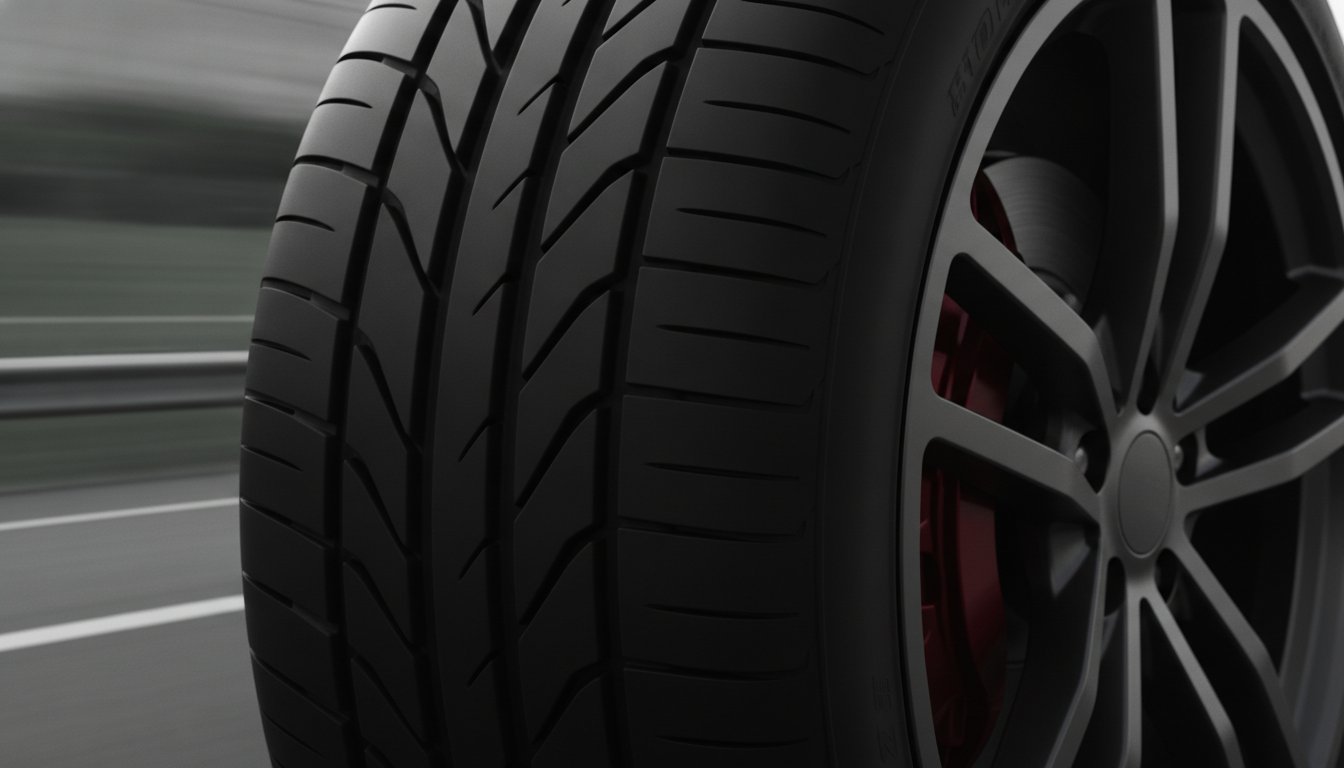
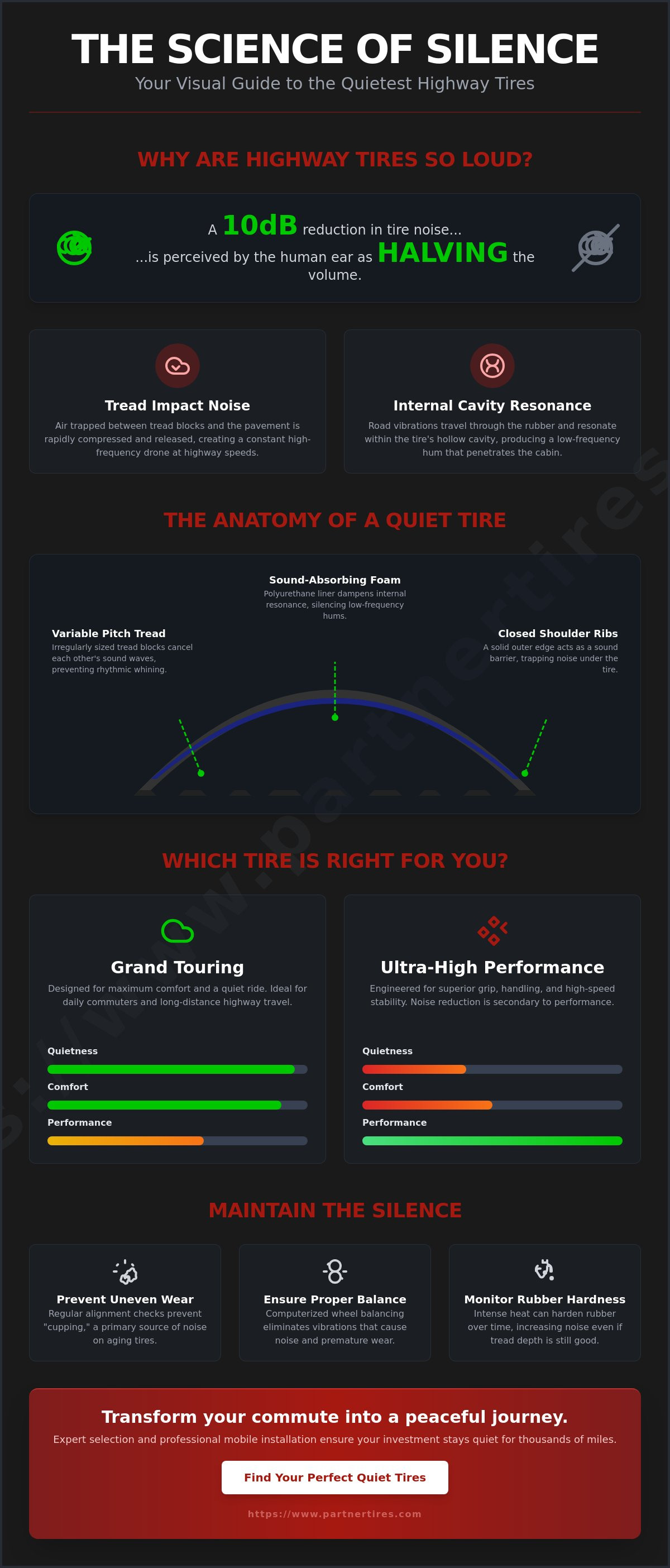
Did you know that a 10-decibel reduction in tire noise is perceived by the human ear as halving the volume? That difference represents the gap between a stressful, loud commute and a peaceful journey. We know that long hauls on I-65 or I-20 shouldn't result in a headache from persistent road drone. You want to hear your music and your passengers without competing against the constant hum of the pavement. Finding the quietest tires for highway driving is about more than just a premium brand name. It's about specific engineering designed to cancel out vibration and road feedback.
This guide explores the science of silence, from polyurethane foam inserts used by brands like Michelin and Continental to optimized tread patterns that disrupt airflow. We'll help you select a set that stands up to the intense Alabama heat while maintaining a library-quiet cabin. You'll learn which 2026 models actually deliver on their promises of performance and tranquility. We also provide expert maintenance tips to ensure your investment stays quiet for thousands of miles. Let's transform your daily drive into the refined, stable experience you deserve.
Key Takeaways
- Identify specific engineering features, such as variable pitch tread blocks and foam inserts, that effectively cancel out harmonic frequencies.
- Distinguish between Grand Touring and Ultra-High Performance categories to select the quietest tires for highway driving for your vehicle.
- Recognize early signs of "cupping" and alignment drift to prevent mechanical wear from ruining your cabin’s silence.
- Understand how computerized wheel balancing and professional mounting preserve the noise-reduction integrity of your new tires.
- Learn to match specific tread designs to Birmingham’s highway surfaces to ensure long-term performance in intense Alabama heat.
Understanding Highway Road Noise: Why Your Tires Sing
Highway road noise is a physical byproduct of speed and friction. When you hit 65 mph on I-65 or I-20, the physics of your tires change. Air becomes trapped between the tread blocks and the pavement. This air is compressed and then released rapidly as the tire rotates. This process creates a high-frequency pop. Multiply that by thousands of rotations per minute. The result is a constant, exhausting drone. This interaction between the tire and the road surface is widely recognized as the biggest contributor of highway noise.
The air inside your tire also plays a role. It acts like an organ pipe. Vibrations from the road travel through the rubber and resonate within the hollow tire cavity. This is known as "pipe resonance." It creates a low-frequency hum that penetrates the vehicle's frame and enters the cabin. Choosing the quietest tires for highway driving requires looking for designs that specifically address these distinct sound sources. Engineering must dampen both the external tread impact and the internal air resonance.
The Physics of Tread Impact
Uniform tread blocks are the enemy of silence. If every block is the same size, they hit the road at the same frequency. This produces a rhythmic, annoying whine. Engineers use "pitch sequencing" to solve this. By varying the size and shape of tread blocks, they create different sound frequencies that cancel each other out. Road surface texture also interacts with these designs. Concrete often produces more whine than asphalt because of its porous texture and expansion joints. Finding the quietest tires for highway driving involves selecting a tread pattern that remains stable across these different Alabama road surfaces.
Cabin Insulation vs. Tire Noise
Modern vehicles are quieter than ever. This is especially true for electric vehicles (EVs). Without an engine to mask the sound, tire noise becomes the primary distraction. It isn't just about comfort. Excessive road noise can lead to driver fatigue. It can also decrease your situational awareness. High-speed commutes require a tire that works with your car's insulation. You need a product that absorbs energy before it reaches the chassis.
While tire selection is crucial, the quality of your vehicle's interior barriers also plays a significant role in blocking road drone. To explore how specialized flooring and insulation can enhance your ride, learn more about Tru-Fit Carpets by Vision Auto and their custom-fit automotive products.
Rubber is a living material. It hardens over time. In the intense Alabama heat, tires lose their flexibility faster. Hard rubber doesn't absorb vibrations; it bounces off the road. This makes older tires significantly louder than new ones. Even if you have plenty of tread depth left, the hardening of the compound can turn a once-quiet ride into a noisy one. Regular inspection is the only way to ensure your tires haven't reached this stage of acoustic degradation.
The Anatomy of a Quiet Tire: Engineering for Silence
Engineering the quietest tires for highway driving requires a multi-layered approach to sound dampening. Manufacturers utilize variable pitch tread blocks to disrupt harmonic frequencies. By varying the size and shape of these blocks, the tire produces a range of sound waves that effectively cancel each other out. This engineering prevents the repetitive, rhythmic whine that typically plagues standard tire designs during long trips. It turns a chaotic noise profile into a manageable, low-frequency hum.
Silent-Wall technology provides another layer of protection. Engineers add serrated textures to the vertical walls of the tire grooves. This texture breaks up air rushing through the tread, which significantly reduces the "pumping" sound heard at speeds over 65 mph. Additionally, closed shoulder ribs serve as a physical sound barrier. These solid ribs along the tire's edge trap noise beneath the vehicle's chassis rather than allowing it to escape toward the cabin windows. This design keeps the sound where it belongs: on the road.
The rubber compound itself plays a critical role in acoustic performance. Softer rubber naturally dampens vibrations better than hard rubber. However, soft compounds can struggle with the intense heat of Alabama summers. Modern engineers use high-silica blends to keep the rubber pliable for silence while maintaining the structural integrity needed for high mileage. Even with these advances, the effect of the roadway surface dictates how much noise is generated. If you are unsure which compound fits your specific vehicle, it helps to consult with a tire professional who understands local road conditions.
Sound-Absorbing Foam Technology
Manufacturers like Michelin and Continental lead the industry with internal foam liners. These polyurethane inserts target "cavity noise," which is the resonance caused by air vibrating inside the hollow tire. This technology can reduce perceived cabin noise by up to nine decibels. For drivers seeking the quietest tires for highway driving, this internal dampening is a game-changer for long-haul comfort and mental clarity.
Tread Pattern Optimization
Asymmetric designs are frequently the best choice for a silent ride. They allow engineers to optimize different parts of the tire for specific tasks, such as stability and water evacuation. Narrower lateral grooves minimize the volume of air that can be compressed. Small rubber bridges known as "tie bars" connect tread blocks together. These bars stabilize the tread and prevent the "squirming" motion that creates high-frequency vibrations and unwanted road noise.
Comparing the Best Quiet Tire Categories for Highway Use
Selecting the right tire category is the first step toward a silent cabin. Not every "premium" tire prioritizes acoustic comfort. You need a tire designed for your specific vehicle weight and performance needs. The quietest tires for highway driving are usually found in the Grand Touring or EV-specific categories. These tires are engineered to manage the high-speed vibrations common on Alabama's major interstates.
Grand Touring All-Season tires are the gold standard for long-distance comfort. They focus on ride quality and noise reduction above aggressive cornering. This makes them the top choice for professionals on the Birmingham to Atlanta commute. Grand Touring tires are essentially the "luxury sedan" of the tire world. They use sophisticated tread designs to dampen vibrations that cheaper, standard all-season tires ignore. A National Center for Asphalt Technology study highlights how pavement interaction is a major noise source. Grand Touring tires mitigate this by using specialized rubber compounds that remain flexible even as temperatures rise.
If you drive a high-performance vehicle, you don't have to sacrifice silence for speed. Modern Ultra-High Performance (UHP) tires provide high-speed stability without the aggressive growl of older performance models. SUV owners face a different challenge. These vehicles are heavy and put more pressure on the tread. Quiet SUV tires use reinforced sidewalls to handle the load while keeping the tread quiet enough for a sedan-like experience. This balance ensures your SUV stays stable and silent on I-65.
Grand Touring vs. Standard All-Season
Standard all-season tires are built for utility and cost. They often use harder rubber that lasts a long time but creates more noise on concrete highways. Grand Touring tires prioritize the driver’s sensory experience. They use advanced pitch sequencing and internal structures to absorb impact. This makes them the superior choice for drivers who spend hours behind the wheel and value mental clarity.
The EV Silent Revolution
Electric vehicles (EVs) changed the tire industry. Without an internal combustion engine, every bit of road noise is amplified. High-torque motors and heavy battery packs put immense stress on the rubber. EV-specific tires use specialized noise-reduction tech to manage this. Using non-EV tires on a Tesla or Rivian can result in a significantly louder ride. These specialized tires balance low rolling resistance with the silence required for a premium EV experience. They ensure your electric drive remains as quiet as the manufacturer intended.
Maintenance Factors: Why Quiet Tires Get Loud
Even the quietest tires for highway driving will eventually scream if your vehicle's mechanical health is ignored. Noise is often a symptom of underlying suspension or alignment issues rather than a failure of the tire itself. One common culprit is the "cupping" effect. This happens when worn shocks or struts allow the tire to bounce excessively on the road surface. This uneven impact creates a rhythmic "womp-womp" sound that ruins cabin tranquility. Maintaining your suspension system is just as important as choosing the right tire brand for a peaceful commute.
Precision matters for acoustic performance. Small imbalances in weight distribution lead to harmonic vibrations at highway speeds. Investing in computerized wheel balancing ensures that weight is perfectly centered across the assembly. This eliminates the shaking that causes cabin drone. Similarly, regular tire rotation is the most effective way to preserve a quiet ride. It ensures that tread wear remains even across all four corners. If you skip rotations, your tires will develop jagged edges that "slap" the pavement, increasing volume significantly. You can schedule a professional maintenance check to ensure your vehicle is operating at peak efficiency.
Alignment and Harmonic Vibration
Birmingham potholes are notorious for knocking vehicles out of spec. Improper toe or camber settings lead to "feathering." This is when the edges of the tread blocks wear down at an angle. This creates a high-pitched whine that gets louder as you accelerate. A four-wheel alignment is essential after installing new quiet tires to ensure they perform correctly and stay silent.
Tread Depth and Noise Progression
Tires naturally get louder as they wear down to the harder base rubber. Use the "Penny Test" to monitor your comfort levels. If the tread is low, the tire can't absorb road impact effectively. Alabama's intense heat also hardens the rubber over time through repeated heat cycles. This increased rigidity turns a once-silent tire into a source of constant, exhausting road roar on the interstate.
Expert Selection and Mobile Installation in Birmingham
Birmingham's interstates present a unique challenge for road noise. The coarse asphalt found on I-459 and the heavy traffic loads on I-65 accelerate tire wear and harden rubber compounds prematurely. Alabama's high heat cycles exacerbate this issue. Intense sun turns flexible tread into a rigid source of constant vibration over time. Choosing the quietest tires for highway driving requires a local perspective on these environmental factors. We understand how specific tread designs react to our region's road surfaces. Partner Tires bridges the gap between premium engineering and local road conditions.
Efficiency is the core of our operation. We know your time is valuable. That's why at home tire installation is the smartest choice for busy highway commuters. You don't have to sacrifice your morning or afternoon at a traditional shop. Our mobile units bring professional-grade equipment directly to your driveway or office parking lot. This ensures your vehicle is ready for the commute without disrupting your workflow. We provide the logistical strength to keep your schedule on track.
We serve a broad footprint across the metro area. From the residential streets of Hoover and Vestavia to the business corridors of Birmingham, our localized expertise ensures you get the right product. We handle everything from tire mounting to computerized wheel balancing on-site. This comprehensive approach guarantees that your new tires deliver the silence they were designed for. We act as the backbone of your vehicle's performance, ensuring every component is calibrated for a smooth journey.
The Convenience of Mobile Service
Skip the crowded waiting room and the logistical headache of vehicle drop-offs. Our mobile service units are fully equipped to perform precision work wherever you are. We cover the greater Birmingham area, including Trussville, Pelham, and every community in between. Professional on-site installation doesn't mean compromising on accuracy. We use the same high-precision technology found in fixed locations. This ensures your ride is stable and silent from the moment we finish the job.
Your Next Steps for a Quieter Drive
Achieving a library-quiet cabin starts with a professional consultation. We help you match the quietest tires for highway driving to your specific vehicle and driving habits. When you're researching tire dealers in birmingham al, prioritize those with mobile capabilities to save yourself hours of downtime. Follow this final checklist for the best results:
- Select tires with noise-reduction foam or variable pitch tread blocks.
- Verify the rubber compound is rated for high-heat durability to withstand Alabama summers.
- Schedule a fresh four-wheel alignment to prevent premature noise development.
- Ensure computerized balancing is performed during the initial mounting to eliminate vibration.
Achieve a More Refined Highway Experience
Your commute on Alabama's interstates doesn't have to be defined by exhausting road noise. Selecting the quietest tires for highway driving is the first step toward reclaiming your cabin's tranquility. High-tech tread patterns and internal foam liners only perform at their peak when supported by consistent mechanical care. Regular rotations and precise alignments prevent the harmonic vibrations that lead to long-term discomfort and driver fatigue. By combining the right engineering with proactive maintenance, you ensure a stable and serene journey every time you hit the road.
Partner Tires provides the logistical support you need to maintain this silence without the downtime of a traditional shop. We bring professional mounting and computerized wheel balancing directly to your location in Birmingham, Hoover, or Vestavia. As a locally owned and operated ally, we understand the specific demands of our regional highways and the impact of intense summer heat on your rubber. We handle the technical details so you can focus on your business and your family. Get a Quote for Quiet Highway Tires & Mobile Installation today. Enjoy the peace of mind that comes from a silent, reliable ride.
Frequently Asked Questions
Are quiet tires less safe in the rain?
No. Modern engineering ensures that silence and safety coexist. Many tires designed for a quiet ride carry high wet-grip ratings. In fact, A-rated tires for wet grip can stop a vehicle up to four car lengths sooner than G-rated tires at 50 mph. Manufacturers use specialized tread designs that evacuate water efficiently while disrupting the sound waves that cause road noise.
Do noise-reduction tires wear out faster than standard tires?
Generally, no. While older quiet tires used very soft rubber, 2026 models utilize advanced high-silica blends. these compounds provide the flexibility needed for silence without sacrificing durability. Most premium grand touring tires offer treadwear warranties that match or exceed those of standard all-season tires. You can expect reliable longevity and a peaceful cabin simultaneously.
Can I make my current tires quieter without replacing them?
You can reduce noise through consistent maintenance. Regular rotation prevents jagged wear patterns that "slap" the pavement. Computerized wheel balancing eliminates the vibrations that lead to cabin drone. You should also verify that your tire pressure matches the manufacturer's recommendation. Over-inflated tires often produce a louder "singing" sound on concrete highways.
Why do my tires make a "womp-womp" sound on the highway?
This rhythmic sound usually indicates "cupping" or uneven tread wear. It's a sign that your tires are bouncing rather than rolling smoothly. This is often caused by worn suspension components like shocks or struts. If you hear this noise, it's a signal to inspect your suspension system and alignment immediately to prevent permanent tire damage.
Is it worth getting foam-lined tires for a non-EV car?
Yes. Foam inserts target "cavity noise," which is the resonance of air vibrating inside the tire. This technology can reduce perceived cabin noise by up to nine decibels. While electric vehicles benefit most because they have no engine noise to mask road roar, drivers of gas-powered cars will still notice a significant improvement in tranquility. It's a smart investment for the quietest tires for highway driving.
How much does tire noise increase as the tread wears down?
Noise levels rise significantly as the rubber thins. Thinner tread blocks lose their ability to absorb impact and disrupt airflow. Most drivers report a sharp increase in road roar once the tread depth reaches 4/32 of an inch. Alabama's heat also hardens the rubber over several years, which makes older tires feel and sound much harsher than new ones.
Which tire brands are known for being the quietest in 2026?
Michelin, Continental, Bridgestone, and Goodyear remain the industry leaders. Models like the Michelin Primacy Tour A/S and the Continental TrueContact Tour are engineered specifically for acoustic comfort. The Bridgestone Turanza QuietTrack and Goodyear Assurance ComfortDrive also utilize advanced pitch sequencing to minimize drone. These brands offer the quietest tires for highway driving through proven, data-driven engineering.
Does wheel alignment really affect how much noise my tires make?
Absolutely. Misalignment causes "feathering," where the edges of your tread blocks wear down at an angle. These angled edges create a high-pitched whine as they contact the road. Proper alignment ensures the tire's footprint stays flat against the pavement. This prevents the specific wear patterns that turn a premium, quiet tire into a noisy distraction over time.


